

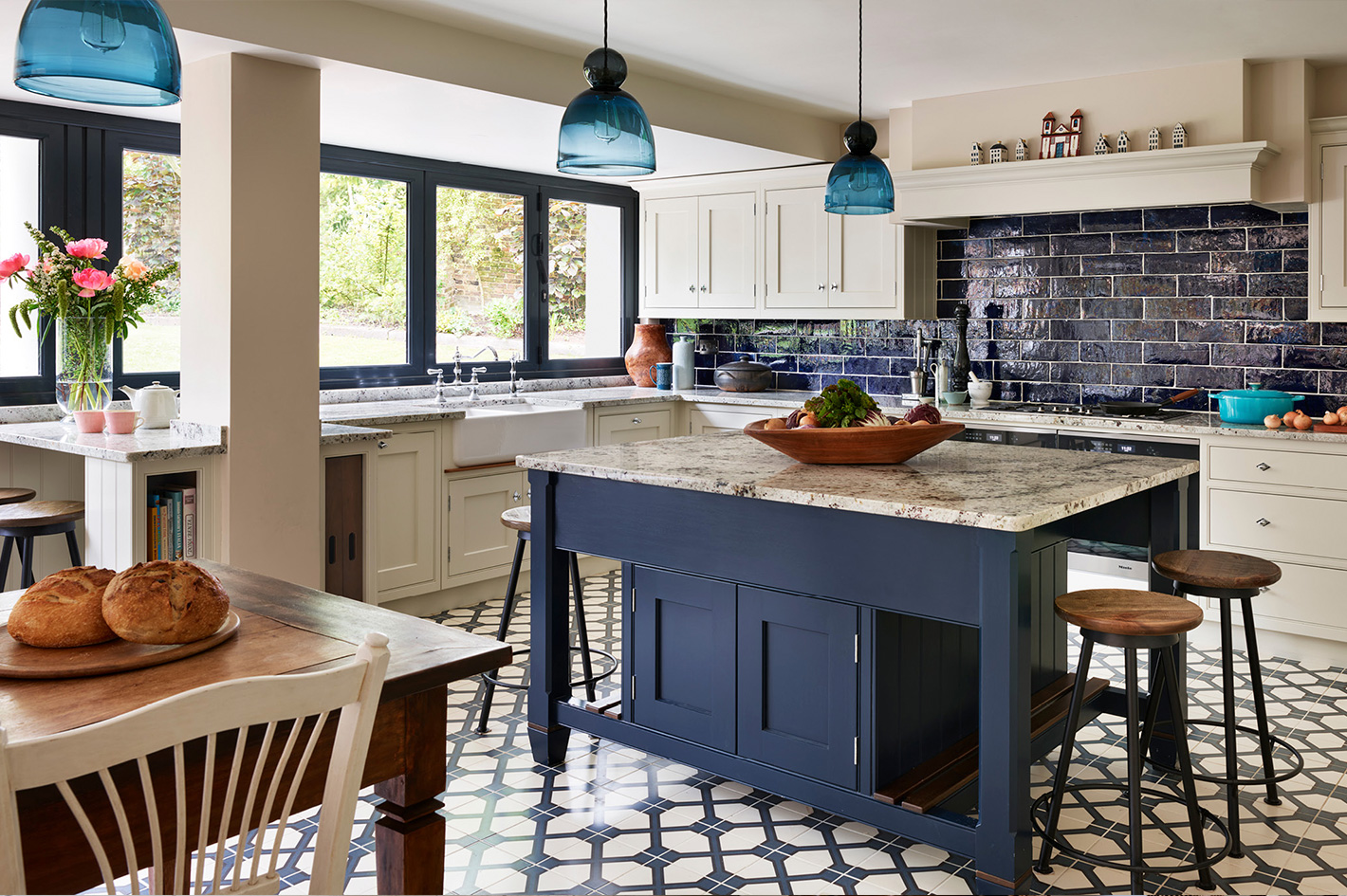
DIY kitchens have become a popular choice for homeowners who want to create a beautiful, functional, and personalized cooking space without spending excessively on professional installation. Whether you are planning a complete kitchen renovation or simply updating existing cabinets, a do-it-yourself kitchen project can provide flexibility, creativity, and potential cost savings.
A DIY kitchen allows you to choose your preferred cabinets, countertops, flooring, lighting, and accessories according to your lifestyle and interior design preferences. With careful planning and the right materials, you can transform an outdated kitchen into a modern and practical space.
What Are DIY Kitchens?
DIY kitchens are kitchens that homeowners design, assemble, install, or renovate themselves rather than relying entirely on a professional kitchen installation company.
Some homeowners choose ready-to-assemble kitchen cabinets, while others build custom cabinets or refresh their existing kitchen furniture. DIY kitchen projects can range from simple cosmetic improvements to complete renovations involving cabinets, countertops, flooring, and appliances.
The main advantage of a DIY kitchen is the ability to control design decisions, materials, and project costs. However, successful results require careful measurements, planning, and an understanding of which tasks are suitable for DIY work.
Benefits of DIY Kitchen Projects
Potential Cost Savings
One of the biggest advantages of DIY kitchens is the opportunity to reduce installation and labor expenses.
Homeowners who complete suitable tasks themselves may save money that can be used for better cabinet materials, countertops, lighting, or appliances.
However, savings depend on the project size, material prices, tools required, and the amount of professional assistance needed.
Personalized Kitchen Design
DIY kitchen remodeling allows you to create a space that reflects your personal style.
You can choose cabinet colors, handles, storage solutions, countertops, and decorative elements without being restricted to a standard design package.
This flexibility is especially useful when working with unusual kitchen dimensions or specific storage requirements.
Flexible Project Scheduling
DIY kitchen projects can be completed according to your own schedule.
Instead of coordinating every task with an installation company, you can work on suitable improvements during weekends or whenever time is available.
Keep in mind that extensive renovations may take longer than professional installation, particularly when you are learning new skills.
Improved Storage and Organization
A DIY kitchen project gives you an opportunity to improve storage according to your cooking habits.
You can introduce pull-out shelves, drawer organizers, spice racks, pantry storage, and additional cabinet space.
These improvements can make everyday cooking more convenient.
How to Plan a DIY Kitchen Renovation
Establish Your Kitchen Renovation Budget
Before starting your DIY kitchen project, decide how much money you are comfortable spending.
Your budget should include cabinets, countertops, flooring, backsplash materials, appliances, lighting, tools, hardware, and installation supplies.
It is also wise to keep a contingency fund for unexpected repairs or additional materials.
Avoid purchasing expensive materials before confirming your measurements and kitchen layout.
Measure Your Kitchen Carefully
Accurate measurements are essential for a successful DIY kitchen renovation.
Measure the length and height of every wall, the ceiling height, windows, doors, and available floor space.
Record the locations of electrical outlets, plumbing connections, gas lines, ventilation openings, and existing appliances.
Double-check measurements before ordering cabinets or countertops because incorrect dimensions can lead to expensive mistakes.
Choose a Practical Kitchen Layout
The kitchen layout determines how efficiently you can move between cooking, cleaning, and food preparation areas.
An L-shaped kitchen works well in many small and medium-sized rooms. A U-shaped kitchen provides additional countertop and storage space, while a galley kitchen is suitable for narrow rooms.
An island kitchen can create additional workspace and seating, but it requires sufficient room for comfortable movement.
Choose a layout that supports your daily activities instead of focusing exclusively on appearance.
DIY Kitchen Cabinet Ideas
Repaint Existing Kitchen Cabinets
Painting existing kitchen cabinets is one of the simplest ways to update an outdated kitchen.
Choose a suitable cabinet paint, prepare the surfaces properly, and apply a primer when required.
Popular cabinet colors include white, cream, sage green, navy blue, charcoal gray, and natural wood tones.
Proper surface preparation is important for achieving a smooth and durable finish.
Install New Cabinet Handles
Replacing old cabinet handles and knobs can make a noticeable difference without requiring a complete kitchen renovation.
Modern black handles, brushed brass hardware, and minimalist stainless steel designs are popular choices.
Choose hardware that matches the cabinet style and is comfortable to use.
Build or Assemble DIY Kitchen Cabinets
Ready-to-assemble kitchen cabinets are a practical option for homeowners who want to handle installation themselves.
These cabinets usually arrive with pre-cut components that can be assembled using appropriate tools and instructions.
Building cabinets from scratch offers additional customization but requires woodworking skills, accurate measurements, and suitable equipment.
For beginners, assembling pre-manufactured cabinets is generally easier than constructing every component independently.
Add Open Shelving
Open shelving can make a kitchen feel spacious and provide convenient access to frequently used items.
You can install shelves for dishes, jars, cookbooks, and decorative accessories.
However, open shelves require regular cleaning because exposed items can collect dust and cooking residue.
Budget-Friendly DIY Kitchen Remodeling Ideas
Upgrade the Kitchen Backsplash
A new backsplash can refresh the appearance of a kitchen without replacing cabinets or countertops.
Popular backsplash materials include ceramic tiles, porcelain tiles, and suitable peel-and-stick products.
Choose materials that are appropriate for the area around your stove and sink, particularly where heat and moisture are present.
Improve Kitchen Lighting
Lighting is an important part of kitchen functionality.
Consider adding under-cabinet lighting to illuminate countertops and improve visibility during food preparation.
Pendant lights can enhance the appearance of a kitchen island, while ceiling fixtures provide general illumination.
Use lighting products suitable for kitchen conditions and follow electrical safety requirements.
Replace Old Faucets
A modern kitchen faucet can improve both functionality and appearance.
Choose a faucet that fits your sink, water connections, and daily requirements.
Some faucet replacements may be manageable for experienced DIY homeowners, but complicated plumbing work should be handled by a qualified professional.
Refresh Kitchen Walls
Painting kitchen walls is another affordable way to create a fresh appearance.
Light colors can make smaller kitchens feel brighter, while darker shades can introduce contrast and sophistication.
Use paint designed for kitchen environments that can tolerate occasional cleaning and moisture.
Choosing Materials for DIY Kitchens
Kitchen Cabinet Materials
Kitchen cabinets are available in various materials, including plywood, MDF, particleboard, and solid wood.
Each material offers different advantages in terms of price, appearance, durability, and moisture resistance.
Areas around sinks and plumbing should receive particular attention because moisture can damage poorly protected cabinet materials.
Choose suitable materials and ensure exposed edges are properly sealed.
Kitchen Countertop Materials
Countertops should be selected according to your cooking habits, budget, and maintenance preferences.
Granite, quartz, laminate, and other countertop materials offer different levels of durability, appearance, and maintenance requirements.
Natural stone countertops may require professional cutting and installation because of their weight and the precision needed around sinks and appliances.
Kitchen Flooring
Kitchen flooring should be durable, comfortable, and easy to clean.
Ceramic tiles, porcelain tiles, vinyl flooring, and other suitable materials are common choices.
Consider slip resistance, moisture protection, and compatibility with your existing floor before choosing a material.
Essential Tools for DIY Kitchen Installation
A successful DIY kitchen project requires appropriate tools.
A measuring tape, spirit level, drill, screwdriver, clamps, safety glasses, and basic hand tools are useful for many cabinet and furniture tasks.
More advanced projects may require specialized saws, tile tools, or installation equipment.
Always use tools according to their instructions and wear suitable protective equipment.
DIY Kitchen Installation: Step-by-Step Process
Prepare the Kitchen Area
Remove items from cabinets and clear the working area.
Protect nearby floors and furniture before starting demolition or installation.
If removing old cabinets, check for electrical wiring, plumbing, gas connections, and other hazards before beginning.
Remove Old Cabinets When Necessary
If you are replacing existing cabinets, remove them carefully to avoid unnecessary damage to walls and floors.
Disconnecting appliances, plumbing, or gas equipment should be handled by qualified professionals whenever required.
Install Base Cabinets
Base cabinets generally need to be positioned carefully and leveled before countertops are installed.
Follow the manufacturer’s installation instructions and ensure the cabinets are securely fixed to suitable structural supports.
Accurate alignment is essential for a professional-looking result.
Install Wall Cabinets
Wall cabinets must be attached securely to appropriate wall framing or approved support systems.
Because cabinets can be heavy, installation may require assistance from another person.
Never rely on unsuitable wall anchors or unsupported fixing methods for heavy kitchen cabinets.
Install Countertops
Countertop installation requires precise measurements and appropriate support.
Some materials, especially natural stone, are heavy and difficult to cut safely.
Consider professional installation for stone countertops, complex cutouts, and specialized materials.
Complete Finishing Touches
Once cabinets and countertops are installed, finish the remaining work by adding handles, backsplash materials, lighting, and suitable accessories.
Check that cabinet doors open correctly and that drawers operate smoothly.
Clean the workspace and inspect the completed kitchen for any unfinished details.
DIY Kitchen Safety Tips
Kitchen renovations can involve sharp tools, heavy materials, electrical connections, plumbing, and gas equipment.
Always wear appropriate safety equipment and follow manufacturer instructions.
Electrical work, gas connections, major plumbing changes, structural modifications, and other regulated tasks should be completed by qualified professionals where required.
Before beginning demolition, investigate potential hazards such as hidden wiring, water pipes, and hazardous building materials.
Prioritize safety over saving money, especially when working with unfamiliar equipment or utilities.
Common DIY Kitchen Mistakes to Avoid
Incorrect Measurements
Incorrect measurements can result in cabinets that do not fit properly or appliances that cannot be installed as planned.
Measure carefully and verify dimensions before ordering materials.
Poor Cabinet Alignment
Uneven cabinets can create problems with countertops, doors, drawers, and overall appearance.
Use a level and follow installation instructions carefully.
Choosing Materials Based Only on Appearance
Kitchen materials should be suitable for heat, moisture, cleaning, and everyday use.
Consider durability and maintenance before selecting cabinets, flooring, or countertops.
Underestimating the Project
DIY kitchen renovations can involve more time and effort than expected.
Plan each stage carefully and avoid starting major work before materials and professional services are arranged.
Ignoring Ventilation
Good kitchen ventilation helps remove cooking odors, moisture, and airborne particles.
Choose an appropriate ventilation system and ensure it is installed correctly.
Frequently Asked Questions
Are DIY kitchens cheaper than professionally installed kitchens?
DIY kitchens can be cheaper because homeowners may save on installation labor. However, total costs depend on materials, tools, project complexity, and professional assistance.
Can beginners install DIY kitchen cabinets?
Beginners may be able to assemble and install suitable ready-to-assemble cabinets by following instructions. Accurate measurements, proper tools, and assistance with heavy units are important.
How can I renovate a kitchen on a small budget?
Consider repainting existing cabinets, replacing handles, updating lighting, refreshing walls, and improving storage instead of replacing the entire kitchen.
What is the best material for DIY kitchen cabinets?
The best material depends on your budget, design preferences, and kitchen conditions. Plywood, MDF, and other cabinet materials can be suitable when selected and installed correctly.
Can I install a kitchen countertop myself?
Some lightweight countertop materials may be suitable for experienced DIY installers. Natural stone and complex countertop installations generally require specialized tools and professional expertise.
How long does a DIY kitchen renovation take?
The timeline depends on the size of the kitchen, the amount of renovation work, material availability, and your experience. A simple cosmetic refresh may take considerably less time than a complete kitchen remodel.
Conclusion
DIY kitchens offer homeowners an opportunity to create personalized, functional, and attractive cooking spaces while potentially reducing installation costs.
From repainting cabinets and installing shelves to planning a complete kitchen renovation, DIY improvements can transform your kitchen when approached carefully.
