

When using PancakeSwap, seeing a “Transaction Failed” message after gas has already been charged can be confusing and frustrating. Many users expect a failed transaction to cost nothing, but blockchain transactions work differently from traditional online payments. Even when a swap does not complete, the blockchain may still charge a gas fee because network resources were used to process the transaction.
Understanding why this happens can help you avoid unnecessary costs and troubleshoot failed swaps more effectively. In this guide, we explain why a PancakeSwap transaction failed but gas was charged, what gas fees actually cover, the most common causes of failed transactions, and what you can do to prevent the same problem in the future.
What Does “PancakeSwap Transaction Failed” Mean?
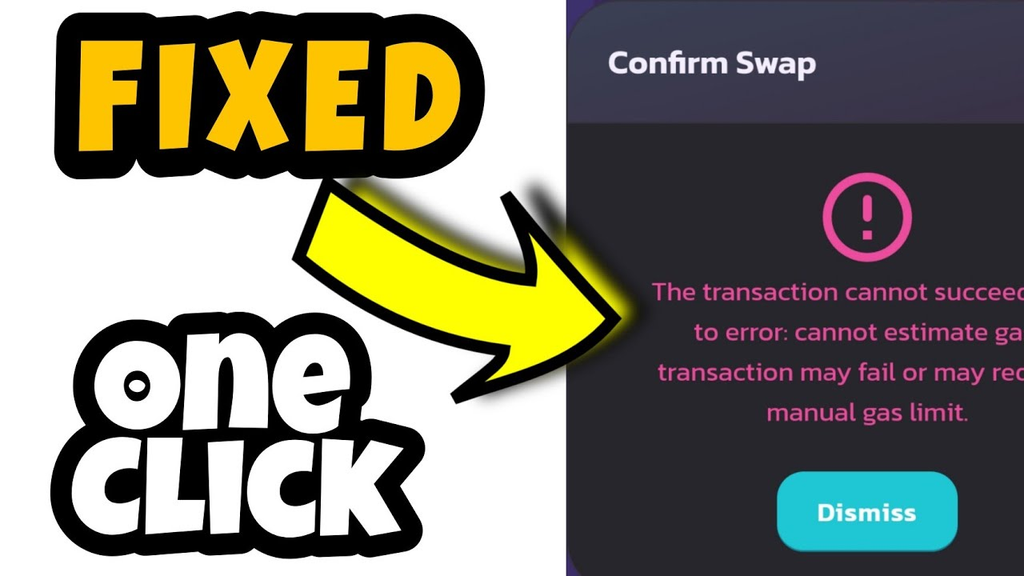
A failed PancakeSwap transaction means that your transaction was submitted to the blockchain, but the smart contract could not complete the requested operation. The blockchain attempted to process the transaction, but one or more conditions required by the smart contract were not satisfied.
For example, you may attempt to swap one cryptocurrency for another, but the price changes too much before the transaction is confirmed. If the new price falls outside your permitted slippage tolerance, the smart contract can reject the swap.A failed transaction does not necessarily mean that your tokens have disappeared. In most cases, the swap itself is reverted, meaning the intended token exchange does not take place. However, the gas used during the attempted execution may still be charged.
Why Was Gas Charged Even Though the Transaction Failed?
Gas is the fee paid to a blockchain network for processing computational operations. When you make a transaction through PancakeSwap, your wallet sends instructions to a smart contract. The blockchain then uses computational resources to execute those instructions.
If the smart contract encounters a condition that prevents the transaction from completing, it can revert the operation. However, the network has already performed computational work before reaching the point where the transaction fails.This is why a failed transaction can still consume gas. The gas fee is not simply a payment for a successful swap. Instead, it compensates the blockchain network for the computational resources used while processing the transaction.
For example, imagine that you try to exchange one token for another. The transaction begins processing, but the token price changes beyond your allowed slippage. The smart contract detects the problem and reverts the transaction. Your swap does not complete, but the network may still charge gas for the processing that occurred before the failure.
Difference Between Gas Fees and PancakeSwap Trading Fees
It is important to understand that blockchain gas fees and PancakeSwap trading fees are not the same thing. A gas fee is paid to the blockchain network for processing a transaction, while a trading fee is associated with the decentralized exchange and liquidity mechanism used for the swap.
When a transaction successfully completes, both types of costs may be involved. However, when a transaction fails, the swap itself is normally reverted while the gas used by the blockchain can still be charged.This distinction explains why you may see your tokens remain in your wallet while your balance of the blockchain’s native cryptocurrency decreases.
Common Reasons a PancakeSwap Transaction Fails
There are several possible reasons why a PancakeSwap transaction can fail. Identifying the specific cause is important because repeatedly submitting the same transaction without changing the relevant settings can result in additional gas charges.
Slippage Tolerance Is Too Low
One of the most common reasons for a failed PancakeSwap swap is insufficient slippage tolerance. Cryptocurrency prices can change quickly, particularly for volatile tokens and trading pairs with limited liquidity.When you initiate a swap, PancakeSwap calculates an expected amount of tokens you should receive. Your slippage tolerance determines how much the final result can differ from that expectation.
If the market changes beyond the permitted range before the transaction is executed, the smart contract may revert the transaction. This protects users from receiving significantly less than the amount they expected.Increasing slippage may sometimes allow a transaction to complete, but users should be careful. Setting slippage excessively high can result in unfavorable execution, especially when trading unfamiliar tokens.
Insufficient Gas or Incorrect Gas Settings
Another possible reason is insufficient or improperly configured gas. Wallets generally estimate the gas required for a transaction, but network conditions can change quickly.During periods of high network activity, transactions may require different fee settings. If the transaction does not have enough gas available for execution, it may fail.
Gas price and gas limit are also different concepts. The gas price relates to how much you are willing to pay for each unit of gas, while the gas limit represents the maximum amount of computational work the transaction is allowed to consume.
Insufficient Wallet Balance
A transaction can also fail if your wallet does not contain enough funds. You need to have enough of the token you want to swap, but you may also need the blockchain’s native cryptocurrency to pay the gas fee.For example, holding a large amount of a particular ERC-20 or BEP-20 token does not necessarily mean you can make a transaction if your wallet has no native cryptocurrency available for gas.Before attempting another swap, check both your token balance and your gas balance.
Token Approval Problems
Many token swaps require a token approval transaction before PancakeSwap’s smart contract can spend the tokens on your behalf.If the required approval has not been completed, or if the approved amount is insufficient for the transaction, the swap may fail.
This situation can sometimes result in users paying gas for an approval transaction and then paying gas again when they attempt the swap. Checking the token allowance before retrying can therefore help prevent unnecessary costs.
Token Trading Restrictions
Some tokens have special smart-contract rules that can affect trading. These rules may restrict selling, buying, transaction sizes, wallet balances, or transfers.Certain newly launched or unfamiliar tokens may also include taxes, anti-bot mechanisms, maximum transaction limits, or other restrictions. If the token’s contract does not allow the requested operation, the PancakeSwap transaction may revert.For this reason, users should be particularly careful when trading tokens they have never used before.
Low Liquidity
Liquidity is another important factor when making a decentralized exchange transaction. If a trading pair has limited liquidity, even a relatively small swap can have a noticeable effect on the token price.A large price impact can cause the expected output to move outside your permitted slippage range. As a result, the transaction may fail.Checking liquidity and price impact before confirming a large swap can help reduce this risk.
How to Find the Exact Reason for a Failed PancakeSwap Transaction
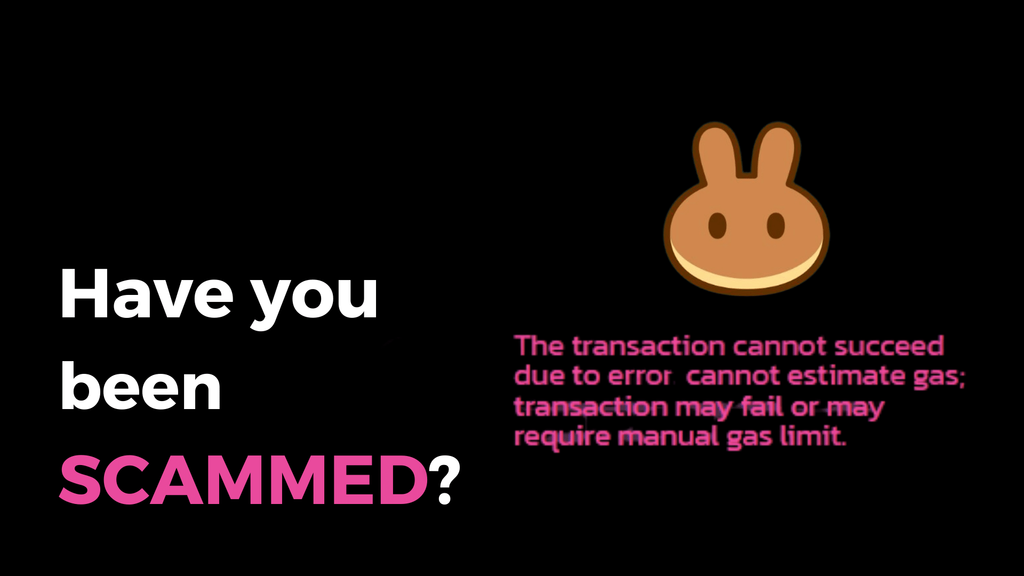
Instead of immediately submitting another transaction, you should first investigate the failed transaction. Your wallet will usually provide a transaction hash or transaction ID after the transaction is submitted.You can use this transaction hash to inspect the transaction on the appropriate blockchain explorer. The transaction page may show the status, gas used, contract interaction, and available error or revert information.
The exact error message depends on the blockchain and smart contract involved. However, the transaction details can often help determine whether the failure was related to slippage, insufficient gas, token approval, liquidity, or another smart-contract condition.Checking the transaction hash is one of the best ways to understand what happened before attempting the swap again.
What Happens to Your Tokens After a Failed Swap?
In a normal smart-contract revert, the actual token swap does not complete. The blockchain reverses the state changes associated with the unsuccessful operation.This generally means that the tokens you attempted to swap remain in your wallet rather than being permanently transferred through the failed swap. However, the gas already consumed during the transaction may still be deducted.
If your wallet balance appears different after a failed transaction, check your complete transaction history. There may have been an approval transaction, another successful transaction, or a separate network fee that affected the balance.
How to Fix a Failed PancakeSwap Transaction
Check Your Wallet Balance
The first step is to make sure that your wallet contains enough funds for both the swap and the network fee. Check the balance of the token you want to trade as well as the native cryptocurrency required to pay gas.If your gas balance is too low, you may need to add more native cryptocurrency before trying again.
Review the Slippage Setting
If the transaction failed because the market price moved outside your permitted range, review the slippage setting before retrying.A slightly higher slippage tolerance may sometimes be appropriate for volatile or low-liquidity tokens. However, you should avoid setting extremely high slippage simply to force the transaction through.A high slippage setting can expose you to significantly worse execution prices.
Confirm Token Approval
If the transaction failed because PancakeSwap does not have sufficient permission to spend your tokens, check the token approval status.You may need to complete or increase the token allowance before attempting the swap again. Keep in mind that an approval transaction itself requires blockchain gas.
Reduce the Swap Amount
If the problem is related to low liquidity or high price impact, reducing the swap amount may help.A smaller transaction can have less impact on the liquidity pool and may produce a more favorable expected output. This can also reduce the likelihood that the transaction exceeds your slippage tolerance.
Wait During Network Congestion
Network conditions can also affect transaction processing. If the blockchain is experiencing unusually high activity, it may be better to wait rather than repeatedly submitting transactions.Submitting multiple attempts can result in multiple gas charges, particularly if the underlying problem is unrelated to temporary network congestion.
Read More: PancakeSwap Token Approval Explained
How to Avoid Paying Gas for Failed Transactions
Although failed transactions cannot always be avoided, you can reduce the risk by checking the important details before confirming a swap.Before making a large transaction, review the token contract, available liquidity, expected output, price impact, slippage tolerance, wallet balance, and token approval status. If you are unfamiliar with a token, consider starting with a small transaction instead of immediately attempting a large swap.
You should also avoid repeatedly clicking the swap button after a transaction fails. First identify the reason for the failure and then make the necessary adjustment.This approach can save you from paying gas repeatedly without actually solving the underlying problem.
Can PancakeSwap Refund Gas for a Failed Transaction?

In most cases, gas that has already been consumed by the blockchain cannot simply be refunded by PancakeSwap.The gas fee is associated with the blockchain’s processing of the transaction. Once computational resources have been consumed, the fee is generally not returned simply because the smart contract reverted.
If you believe that an unusual error occurred, start by checking the transaction hash and its status on the relevant blockchain explorer. This can help determine whether the transaction actually failed, succeeded, remained pending, or was replaced.You should also be careful about scams involving supposed gas recovery services. Never provide your wallet’s private key or recovery phrase to someone claiming that they can recover lost gas or failed transactions.
Failed, Pending and Successful Transactions Explained
A pending transaction means that the transaction has been submitted but has not yet been confirmed or finalized by the network. It may eventually succeed or fail.A failed transaction means that the blockchain processed the transaction but the smart-contract execution reverted or could not complete successfully. Gas may still have been consumed during this process.
A successful transaction means that the requested smart-contract operation completed according to its conditions. In the case of a successful PancakeSwap swap, the expected token exchange should appear in your wallet after the transaction has been confirmed.Understanding these different statuses can help you decide whether you should wait, investigate, or adjust the transaction before trying again.
Frequently Asked Questions
Why did PancakeSwap charge gas when my swap failed?
PancakeSwap transactions are processed by a blockchain network. Even when the smart contract ultimately rejects or reverts a transaction, the network may have already performed computational work. The gas fee pays for that processing.
Will I get my tokens back after a failed PancakeSwap swap?
In a normal reverted transaction, the swap itself does not complete, so the tokens involved in the unsuccessful exchange generally remain in their original state. You can confirm the transaction result using the blockchain explorer.
Can low slippage cause a PancakeSwap transaction to fail?
Yes. If the token price changes beyond the slippage tolerance you selected before the transaction is executed, the smart contract can revert the swap.
Why do I need the blockchain’s native cryptocurrency?
The blockchain requires its native cryptocurrency to pay transaction gas. Having the token you want to swap is not necessarily enough to complete a transaction if you do not also have the required native asset for network fees.
Should I increase slippage after every failed transaction?
No. You should first determine why the transaction failed. Increasing slippage without understanding the problem can expose you to unfavorable execution, particularly when dealing with volatile or low-liquidity tokens.
Conclusion
A PancakeSwap transaction failed but gas was charged situation is generally related to the way blockchain transactions and smart contracts work. A failed swap does not automatically mean that your tokens were lost. In many cases, the smart contract simply reverted the swap after the network had already spent computational resources processing the transaction.
Slippage, insufficient gas, token approval problems, low liquidity, insufficient balances, network conditions, and token-specific restrictions are among the most common causes of failed PancakeSwap transactions.Before attempting the same swap again, check the transaction hash, identify the reason for the failure, review your wallet balance and token approval, and examine the slippage and liquidity conditions. Taking these steps can help you troubleshoot the problem while reducing the chance of paying unnecessary gas fees on repeated failed transactions.

1 Comment
Pingback: PancakeSwap New Wallet Support and Network Updates: Complete Guide for 2026